Ornate Leaf & Lace Pattern Backgrounds for Designers
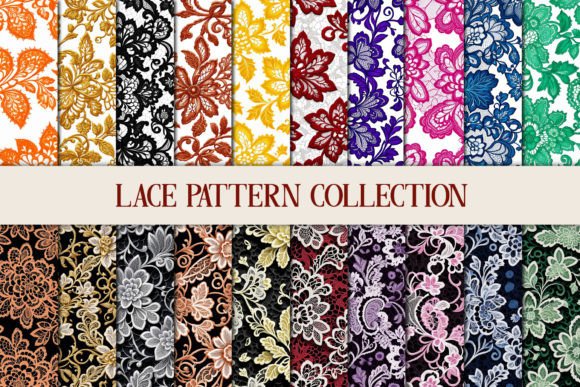
In the vast sea of digital design assets, finding textures that offer genuine character rather than generic noise is a common challenge. The Ornate Leaf & Lace Pattern Backgrounds collection addresses this by providing a set of intricate, high-resolution textures designed to infuse projects with a distinct vintage charm and sophisticated elegance. These are not merely decorative fills; they are tools for storytelling, capable of transforming a flat layout into a rich, tactile experience. The visual language here draws from classical botanical illustrations and the delicate craftsmanship of antique lace, resulting in patterns that feel both romantic and meticulously detailed.
The Visual Language of Intricate Texture
What defines the personality of the Ornate Leaf & Lace Pattern Backgrounds? At its core, the collection balances organic, flowing leaf motifs with the geometric precision of lacework. This duality creates a versatile aesthetic. The leaf elements introduce a natural, soft movement, preventing the patterns from feeling too rigid or formal. Meanwhile, the lace-like filigree adds structure and a sense of handcrafted artistry. The overall appeal lies in its ability to evoke nostalgia without feeling outdated. It speaks to a sense of tradition, quality, and attention to detail—qualities that can significantly elevate a brand's perceived value. The style leans into a premium font sensibility, where the texture itself becomes a key component of the brand identity, suggesting heritage and artisanal care.
Unlike a bold display font or a clean sans serif font, these patterns operate in the background, but their influence is foregrounded in the final composition. They set a mood, define a context, and guide the viewer's emotional response. Imagine them as the foundational fabric upon which other design assets—like typography and photography—are layered. Their intricate nature means they pair exceptionally well with simpler, cleaner typefaces. A bold serif font for headlines or a crisp script font for accents can sit beautifully atop these detailed textures, as the lace provides visual interest without competing for typographic hierarchy.
Strategic Applications Across Creative Fields
Understanding where to deploy the Ornate Leaf & Lace Pattern Backgrounds is key to leveraging their full potential. Their strength lies in projects where atmosphere and emotional resonance are paramount. In editorial design, such as magazine feature pages or book covers for historical fiction or romance genres, these backgrounds create an immediate sense of place and time. For packaging design, especially for artisanal goods like specialty teas, handmade cosmetics, or boutique chocolates, the lace texture communicates a story of craftsmanship and premium quality before the product is even touched.
In the digital realm, these patterns excel in web design for luxury brands, wedding planners, or high-end floral studios. Used as subtle section dividers, hero image overlays, or texture fills for sidebars, they add depth and sophistication. For social media graphics, they can transform a standard quote card or promotional post into a shareable piece of art that stops the scroll. The collection's utility extends powerfully into the personal and commercial craft space. For creators of scrapbook pages, junk journals, and handmade cards, these JPGs are a direct resource. The 12"x12" format at 300 DPI is ideal for digital scrapbooking and can be easily printed for physical projects, ensuring sharp detail on everything from wedding invitations to personalized stationery.
Practical Integration and Design Considerations
Successfully incorporating a complex texture like the Ornate Leaf & Lace Pattern Backgrounds requires a thoughtful approach to visual hierarchy and readability. The primary rule is contrast. Because the patterns are detailed, any text placed over them must be highly legible. This often means using a solid color block, a semi-transparent overlay, or a very bold typeface with strong letterforms. A delicate handwritten font might get lost, whereas a robust modern typography choice in a dark color will stand out clearly.
When evaluating project fit, consider the audience and message. These patterns resonate with audiences who appreciate classic aesthetics, femininity, romance, and artisanal quality. They may not be the right choice for a tech startup or a minimalist industrial brand, where a clean sans serif font and ample white space are more appropriate. For others, they are a perfect match. A practical tip is to test the patterns early in your design process. Place your primary text and imagery over the background to assess the overall balance. Sometimes, scaling the pattern down or up can change its impact, making it feel more like a subtle texture or a bold feature.
The collection's specification as 20 JPG files in RGB color mode is standard for digital use. Remember that for professional print projects, you may need to convert the color profile to CMYK, which can slightly alter the hue—a step best done in a program like Adobe Photoshop. As these are backgrounds - not in repeat format, they are designed to be used as standalone textures. For projects requiring a seamless tile, additional editing would be necessary. This is an important distinction for anyone planning to use them for large-scale web design backgrounds or all-over print patterns.
Building a Cohesive Aesthetic System
The true power of assets like the Ornate Leaf & Lace Pattern Backgrounds is unlocked when they are used consistently to build a recognizable brand identity. Imagine a small business, perhaps a boutique stationer or a vintage jewelry seller, using these textures consistently across their website headers, product tags, thank-you cards, and Instagram stories. This creates a unified world that customers can instantly recognize and connect with emotionally. The pattern becomes a signature element, much like a consistent color palette or a chosen font pairing.
When building such a system, select one or two primary patterns from the collection and use them as your core textures. Then, establish clear rules for their application: perhaps one is for major backgrounds, while a scaled-down version is used for accent elements. Pair them with a limited, complementary color palette drawn from the patterns themselves—creams, soft golds, muted greens, and dusty roses. This disciplined approach ensures the elegance of the lace enhances rather than overwhelms, maintaining a professional and polished look across all touchpoints.
Ultimately, the Ornate Leaf & Lace Pattern Backgrounds offer more than just visual appeal. They provide a shortcut to creating atmosphere, emotion, and a sense of curated quality. For the designer, crafter, or entrepreneur, they are a versatile component in a larger toolkit, one that can help bridge the gap between a simple layout and a compelling, story-driven creation. Used with intention, they elevate the mundane into the memorable.